
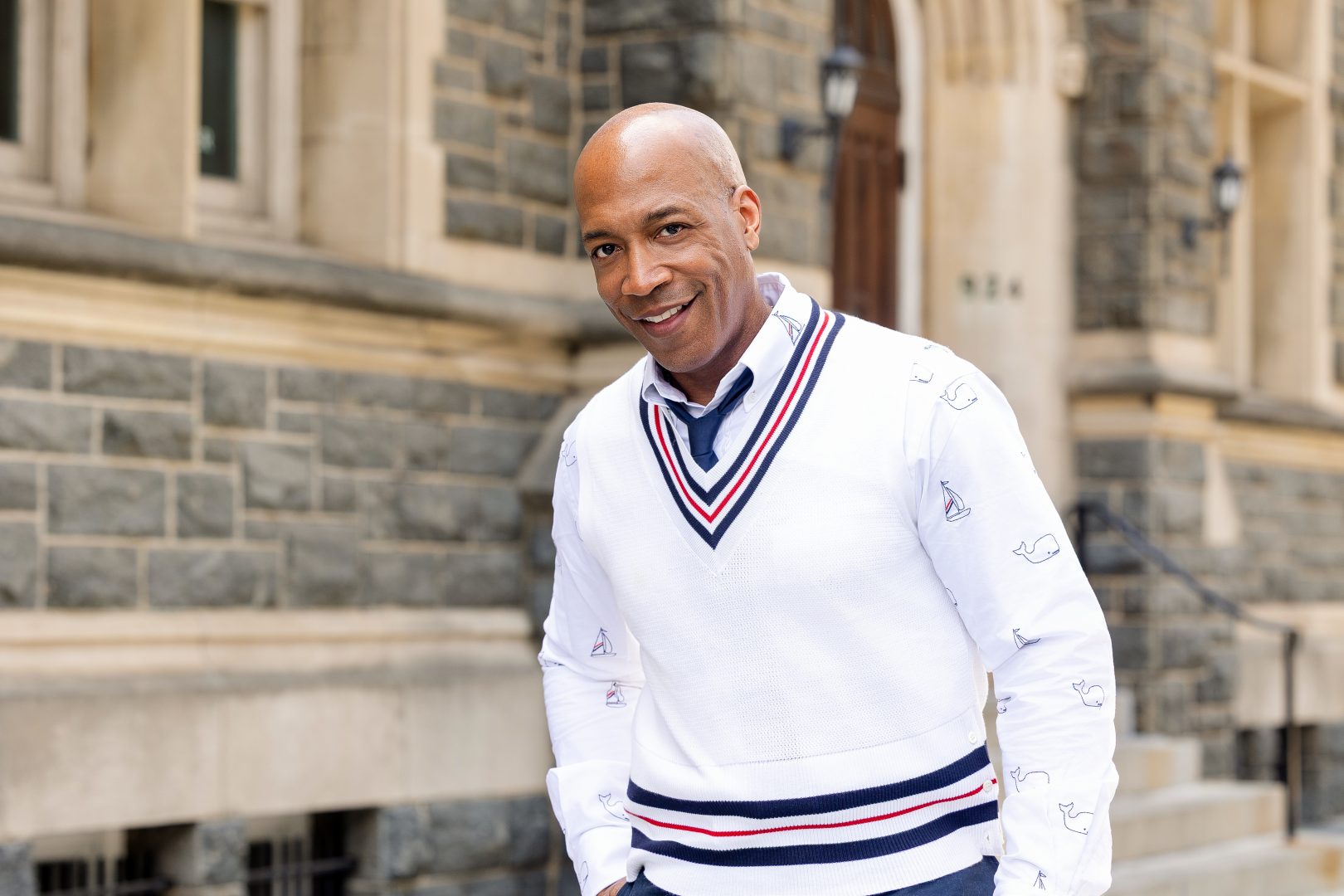
I have never been the person who walks into a room and owns it. I’ve typically been the opposite — shy, socially awkward, quietly convinced that most rooms weren’t built for someone like me. I watched more than I spoke. I stood near the door more than I stood in the center. And for a long time, I assumed that feeling was just something I’d carry.
Then I found fashion and not fashion as trend-chasing. Fashion as language, an expression as a way to find my voice and something shifted. I wasn’t waiting for permission to take up space anymore. I was choosing to take it. That was, without me realizing it at the time, my first real act of civic courage. Not a march. Not a speech. A choice.
Style as Language, Then as Platform
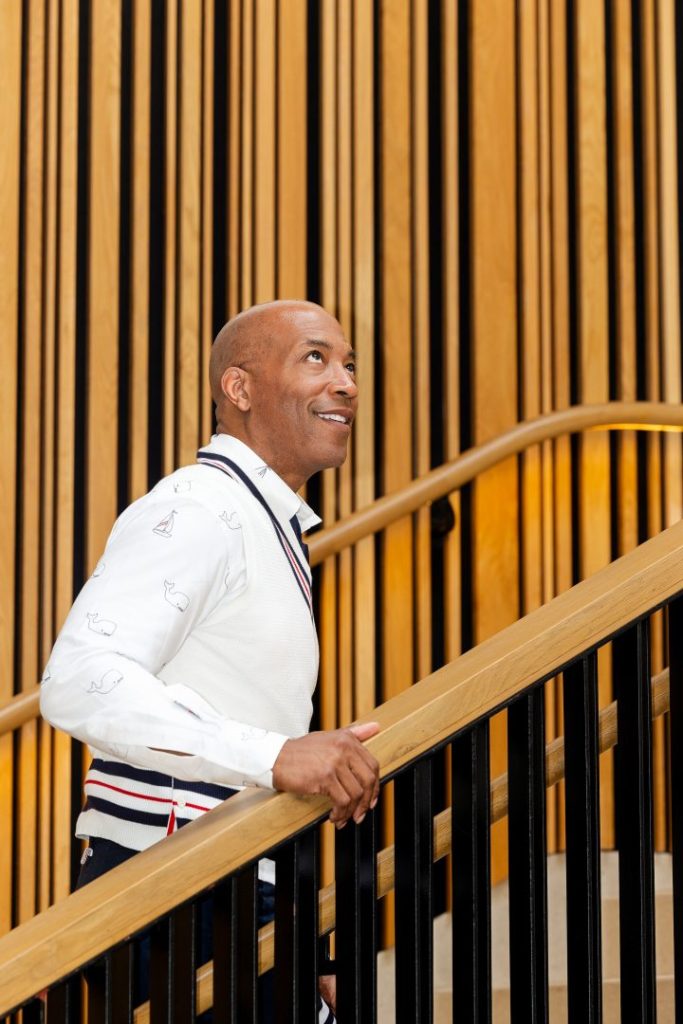
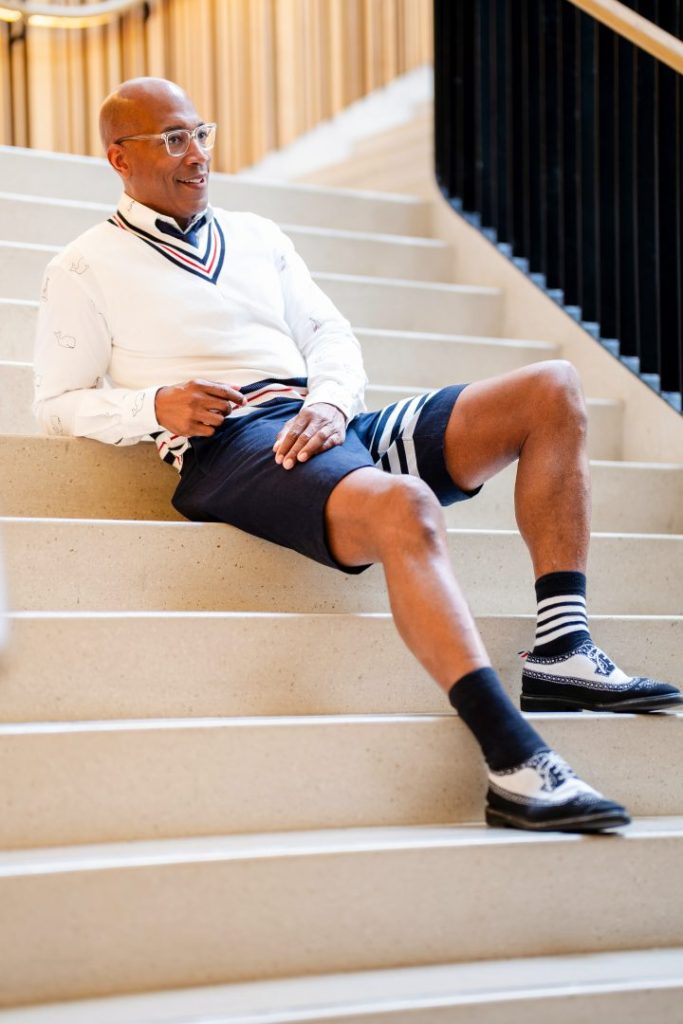
Through that choice, I found my tribe — the people who understood that what you put on your body is a form of storytelling. That discovery eventually became DCFashionFool: a platform built on the belief that Washington, DC deserves to be celebrated not just for its politics, but for its people, its style, its culture, its life. I’ve had the chance to represent style and fashion for Men’s Journal, the Washingtonian and Modern Luxury and every time, the mission has stayed the same — show this city in the best possible light. Not the DC of power suits and press conferences, but the DC that dresses with intention, that shows up fully and refuses to be reduced to a single story.
That word — show up — is where fashion and democracy start to look like the same idea.
What Three Children’s Books Taught a Room Full of Adults
Earlier this month, I had the privilege of facilitating a session for the Creators for Democracy cohort at Martin Luther King Jr. Memorial Library here in Washington. The cohort is a group of artists, writers and cultural thinkers brought together around the shared project of civic engagement. The session I led was built around an unlikely premise: a children’s read-aloud. Three picture books. Adult civic thinkers. The combination raised a few eyebrows — and then, quickly, it didn’t.
Crown: An Ode to the Fresh Cut by Derrick Barnes became the centerpiece. It follows a boy through a haircut that becomes a full ritual of transformation — and by the end, he doesn’t just look different, he understands himself differently. I read the barbershop passage aloud to the room, and it landed exactly the way I hoped: as a meditation on preparation as self-respect. Before you can walk into any room and own it — before you can show up for your community — you have to decide you’re worth the effort of getting ready.
We also talked through Happy Dreamer by Peter H. Reynolds, about protecting your inner imagination even when the world keeps asking you to conform, and The Day You Begin by Jacqueline Woodson, about the courage it takes to speak up in a room where you feel like the only one. Together, the three books built a simple but powerful argument: democracy needs people who dress with intention, dream without apology and speak even when they’re unsure anyone’s ready to listen.
Dress the Democracy
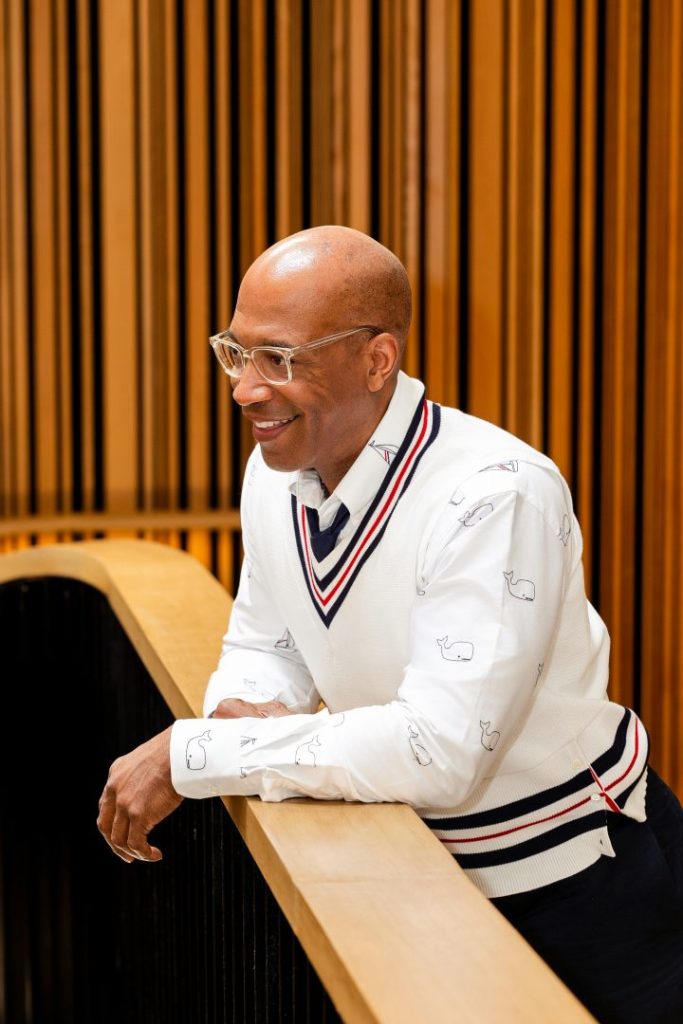
After the readings, I led the group through an activity I called “Dress the Democracy.” The prompt was deceptively simple: if democracy were a person getting dressed in the morning, what would it wear? What would it reach for? What would it leave in the closet?
What emerged wasn’t a costume. It was a conversation. People talked about armor and vulnerability. About the difference between dressing to protect yourself and dressing to be seen. The activity revealed something the books had been pointing toward all along — that the choices we make about our appearance are rarely just aesthetic. They are arguments. Statements of position. Small, daily acts of self-determination.
The Argument, Plain
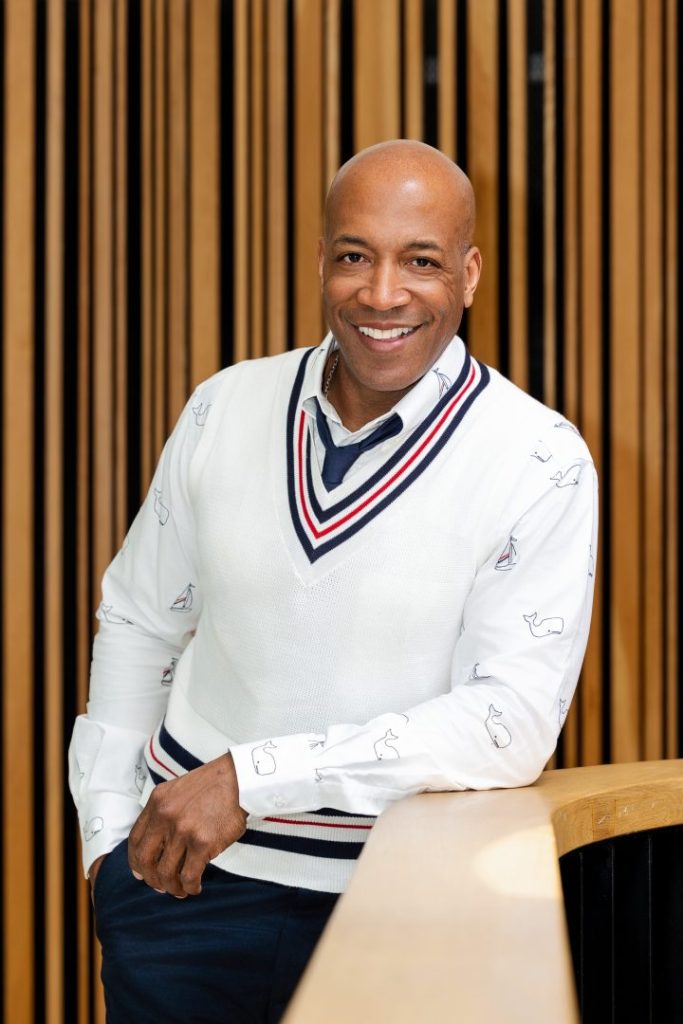
Getting dressed is a political act. Not always loudly. Not always consciously. But every morning, the choices made in front of a mirror are a small negotiation with the world — about identity, about belonging, about how much of yourself you’re willing to bring into public space. Democracy functions the same way. It does not work when people remain invisible, when they shrink, when they dress for disappearance. It works when people show up — fully, deliberately, as themselves.
The children’s books I brought to that room at MLK Library weren’t a detour from civic conversation. They were the civic conversation. Crown reminds us that dignity is something you can put on. Happy Dreamer insists that conformity is the one thing you should never wear. The Day You Begin makes the case that participation — real, honest, personal participation — starts the moment you decide to stop holding yourself back. The same is true of democracy. You don’t have to own the room. You just have to walk in.
